Choosing the right casting method for Aluminum Die Casting Parts can mean the difference between a high-performance product and a costly failure. Sand casting, die casting, and investment casting each have distinct advantages—but misapplying them leads to wasted resources.
1. Process Mechanics: How Each Method Shapes Aluminum
Sand Casting uses expendable sand molds formed around a pattern. Molten aluminum is poured into the cavity, cooled, and then the mold is broken to retrieve the part. This method leaves a rough surface finish (typically Ra 12.5–25 μm) and requires post-machining for precision.
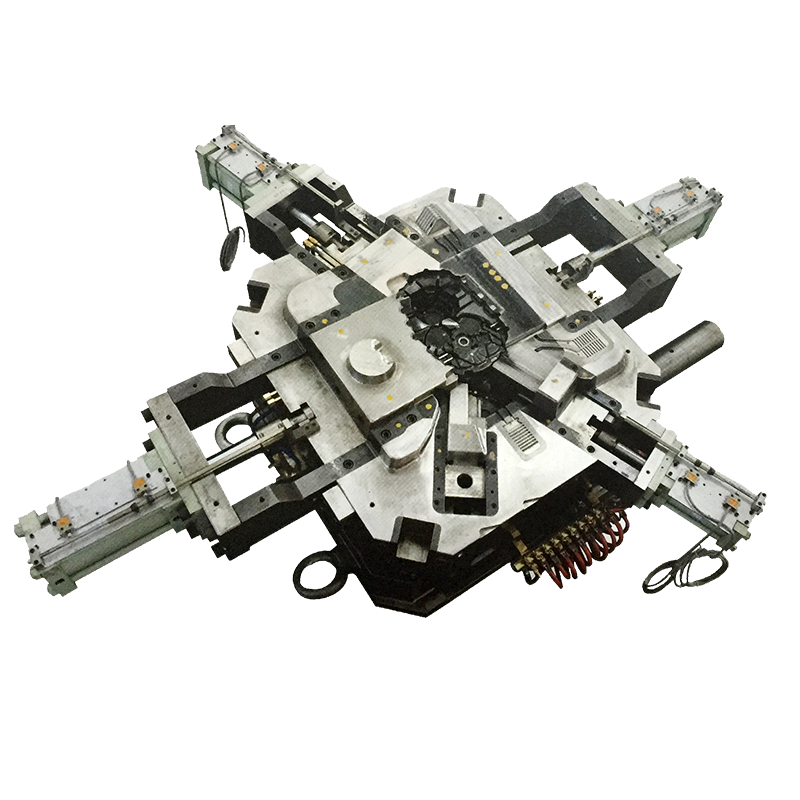
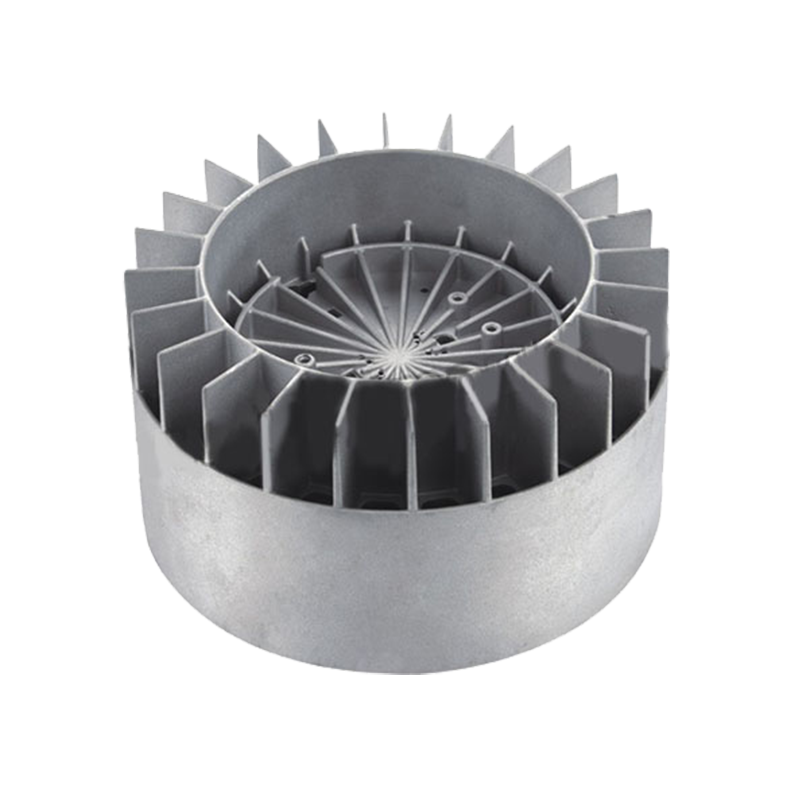
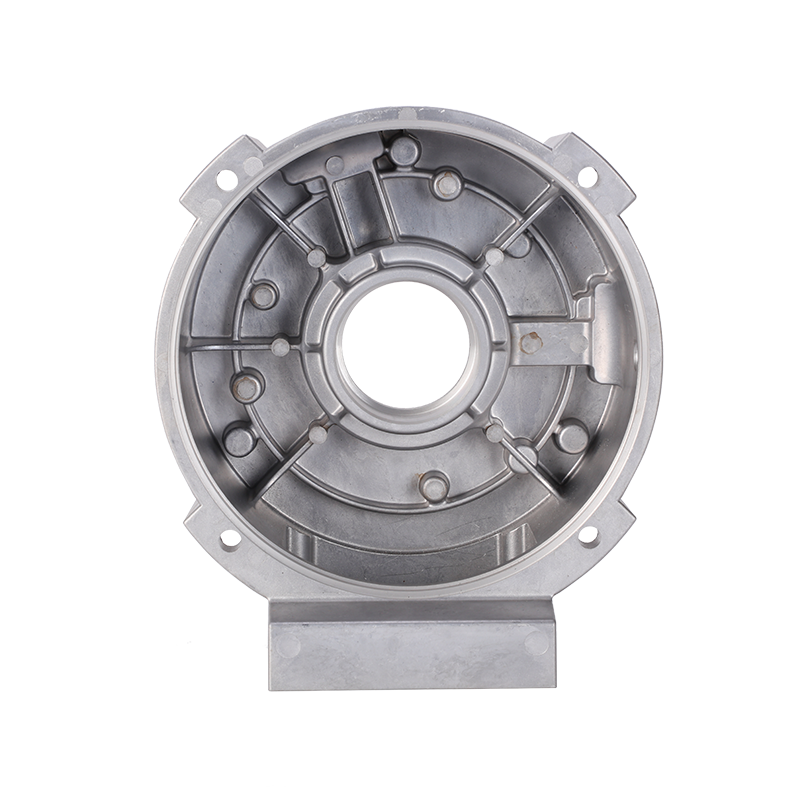
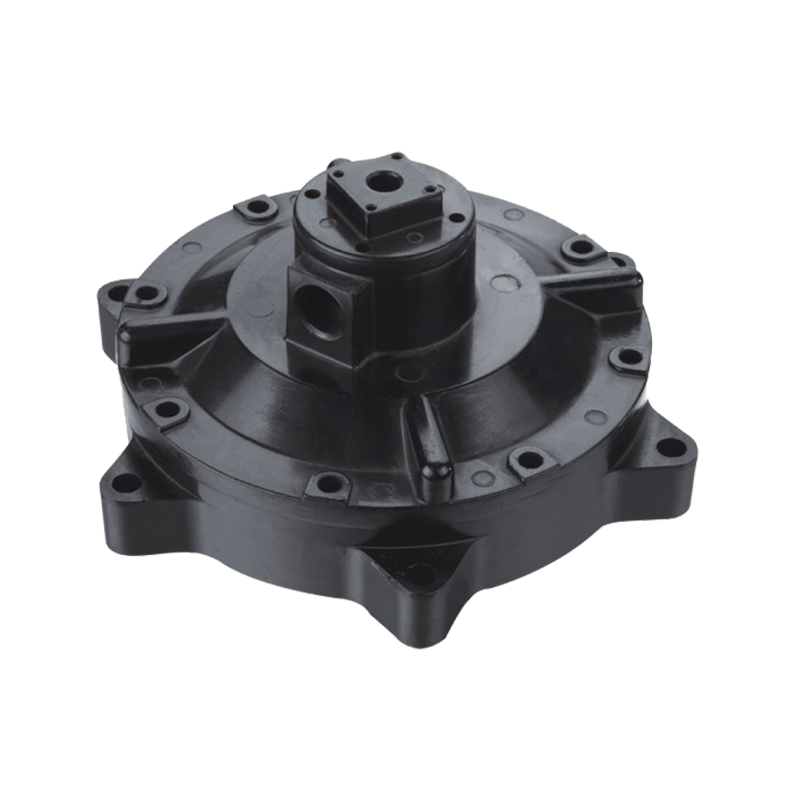
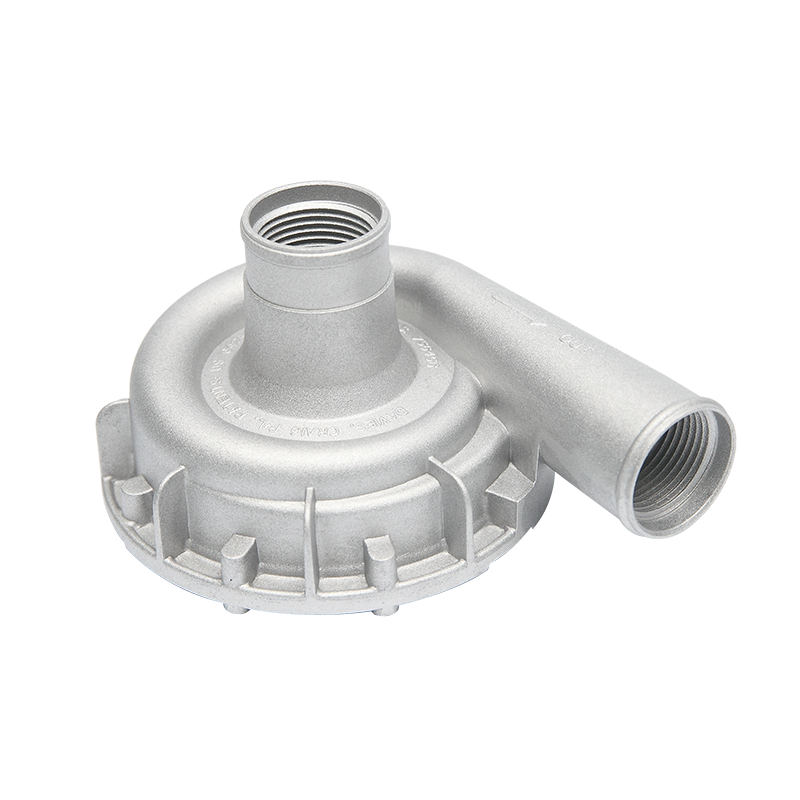
Die Casting forces molten aluminum under high pressure (10–200 MPa) into reusable steel molds. Rapid cooling yields near-net-shape parts with smooth surfaces (Ra 0.8–3.2 μm) and tight tolerances (±0.1 mm).
Investment Casting (lost-wax casting) builds a ceramic shell around a wax pattern. Etter smelting av voks, helles aluminium i hulrommet, og skaper intrikate former med fine detaljer (± 0,05 mm toleranse) og overflatekvalitet (RA 1,6–6,3 um).
2. Cost vs. Volume: Matching Method to Production Scale
Sand Casting: Ideal for low-volume, large parts (e.g., engine blocks). Tooling costs are low (500–5,000), but per-unit costs rise with manual labor. Cycle times range from hours to days.
Die Casting: Optimized for high-volume runs (10,000 units). De første verktøykostnadene er bratte (20 000–100 000), men kostnadene per del faller kraftig på grunn av raske sykluser (30–300 skudd/time).
Investment Casting: Best for medium volumes (100–10,000 units) of complex, small-to-medium parts (e.g., aerospace brackets). Verktøykostnader faller mellom sand og støping (5 000–30 000), med tregere sykluser (2–8 timer per skall).
3. Performance Trade-Offs: Strength, Detail, and Finish
Porosity: Sand-cast parts have higher porosity (4–8%), limiting their use in high-stress applications. Die casting minimizes porosity (1–3%) through pressurized filling. Investment casting achieves 2–4% porosity, suitable for aerospace tolerances.
Detail Resolution: Die casting struggles with undercuts and thin walls (<1 mm). Investment casting excels at producing features like turbine blades with 0.5 mm wall thicknesses.
Material Waste: Sand casting generates 15–30% scrap; die casting recycles 95% of excess material. Investment casting wastes 10–20% due to ceramic shell breakage.
4. Bransjeapplikasjoner: Hvor hver metode skinner
Sand Casting: Construction machinery, marine components.
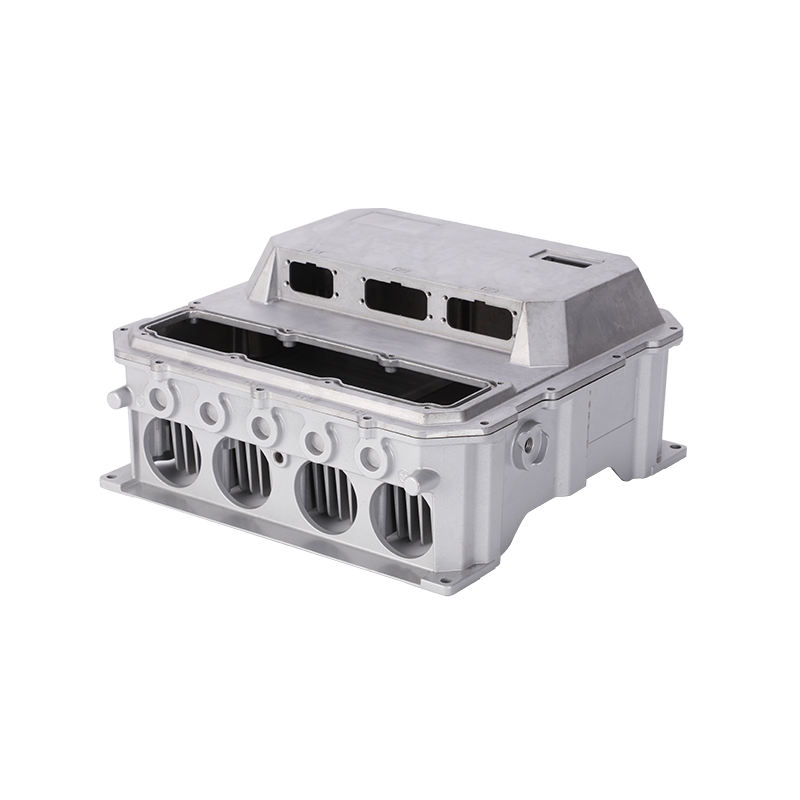
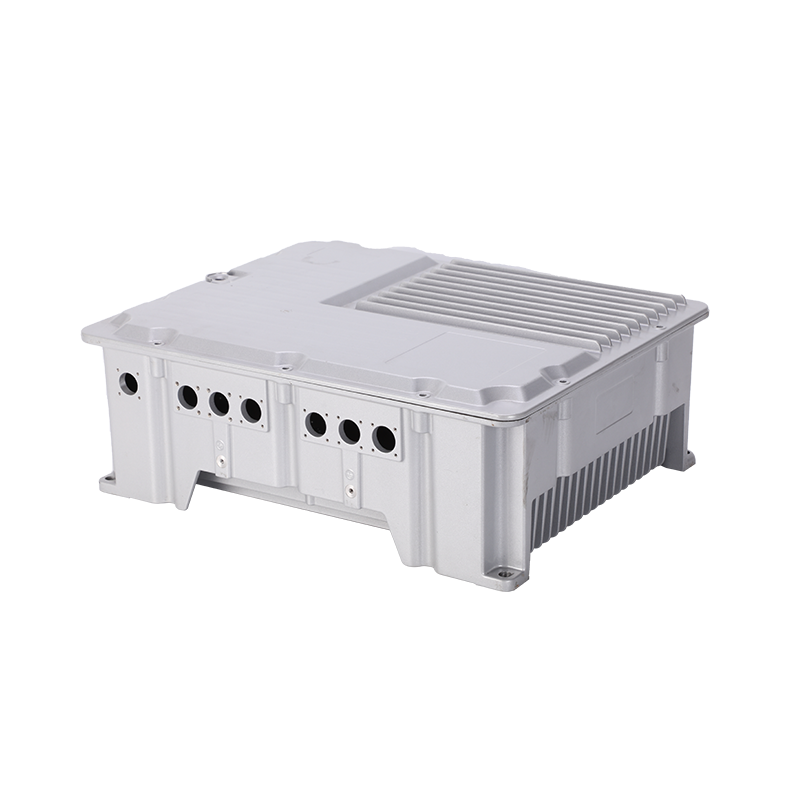
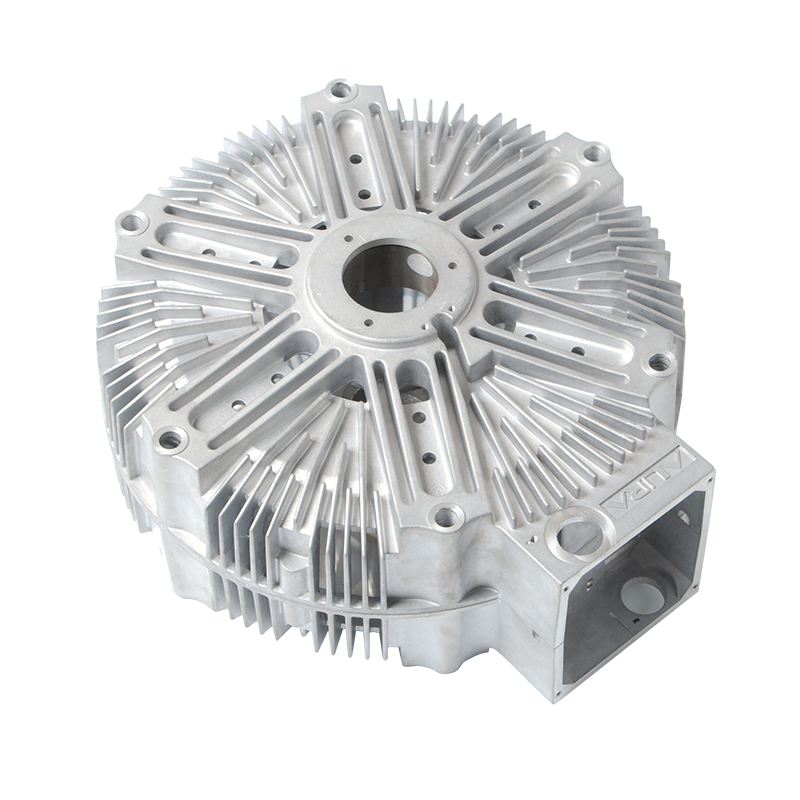
Die Casting: Automotive transmissions, consumer electronics housings.
Investeringsstøping: Medisinske implantater, forsvarsmaskinvare.
A recent study found that 34% of aluminum part failures stem from mismatched casting methods。
Er du klar til SAMARBEIDE Med Jieda?
* E -posten din er trygg med oss, vi spam ikke.
Produkter
Kontaktinformasjon
nbjd011@126.com
+86-574-86115705
Nr. 58 Mold Road, Daqi Technology Industrial Zone, Beilun District, Ningbo